Zipolite, and why we love it
On Mexico's ' last coast,' ![]()
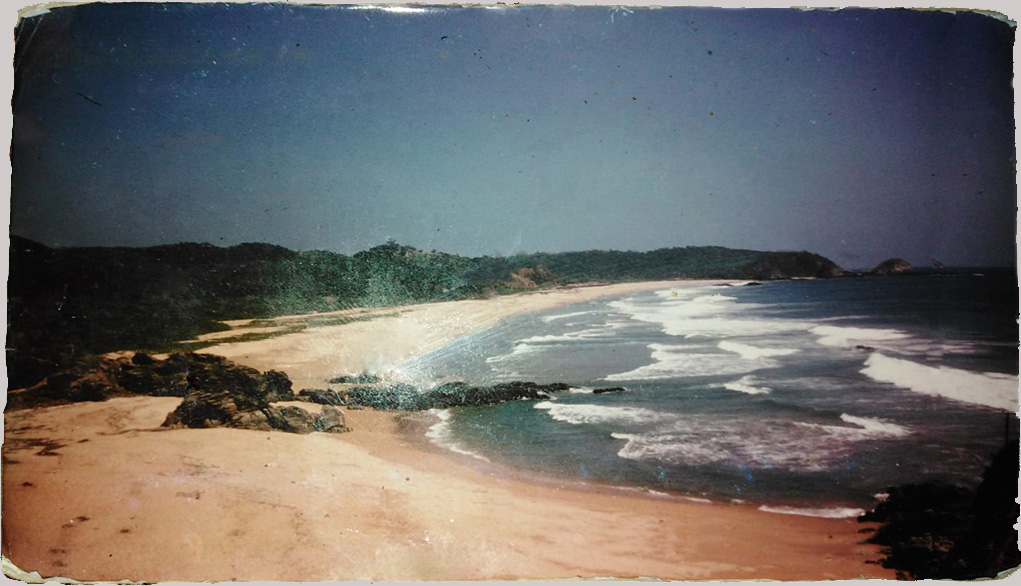
When asked why we love Zipolite, we think of its allowing : anyone is welcome here. The clothing-optional beach scene simply represents the town's values—an expression of the place, not a mass tourism attraction. Because of the relative isolation, social nudity, deadly rip currents, less developed infrastructure, and few indulgent luxuries; independent travellers favour Zipolite more than mass tourists.
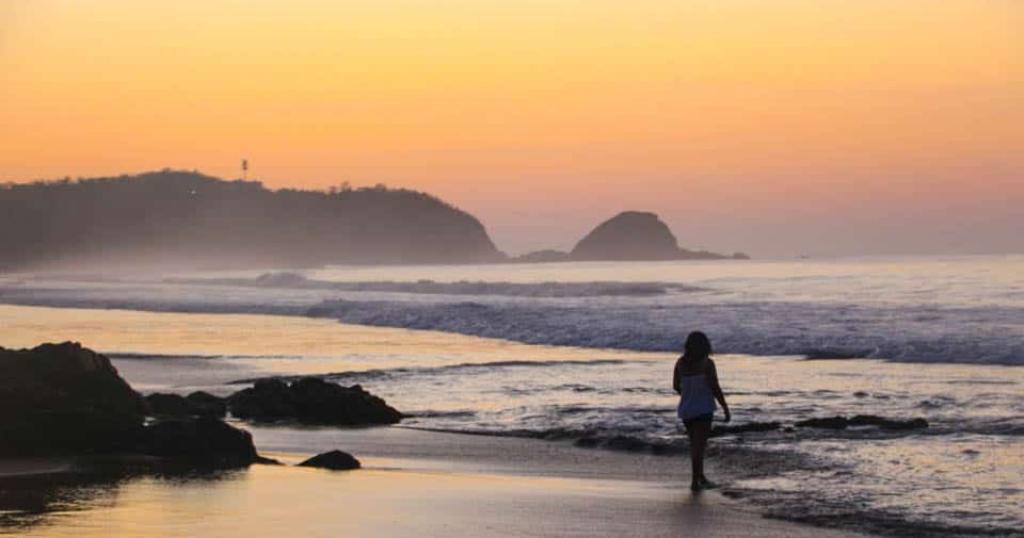
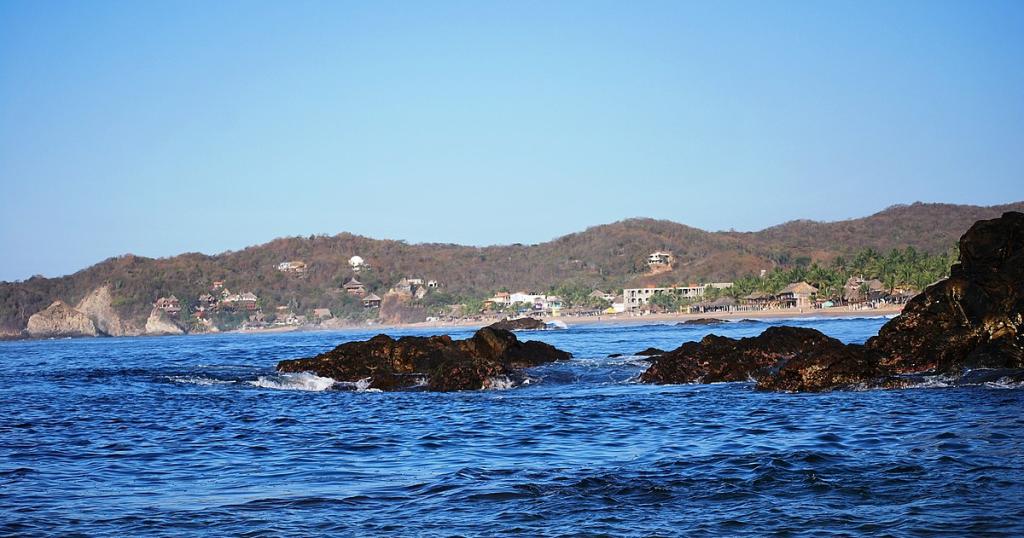
We love the rustic sophistication; chickens on the road and beloved street dogs coexisting with the urbanity of hissing espresso machines and sublime baguettes. The vegetation, geology, the weather, and how nature changes, is paradisiacal.
_____________
3000 BCE — culturally complex Original People have existed in southern coastal Mexico for over 5,000 years.
1000 BCE — Zipolite was part of the Zapotec civilization that flourished for 3,000 years in what is now called
1521 — Spanish conquest. Original civilizations in territories now making up the country of Mexico were interrupted by practices of genocide and colonization. Pre-Columbian Mesoamerican civilizations more advanced than parallel European cultures flourished for nearly 5,000 years before the first contact with Europeans.
1821 — Mexican independence.
1955 — one family is believed to have occupied Zipolite. Rugged mountains to the north and rivers to the east and west had the local descendants of Original People largely isolated from the rest of Mexico. The surroundings remained underpopulated and uncensused for two more decades until coastal and inland roads were constructed. A persistent Zapotec culture had archeologists find some early C20 pottery identical to Preceramic period artefacts—carbon-dating was necessary to make distinctions.
1957 — a Oaxaca curandera,
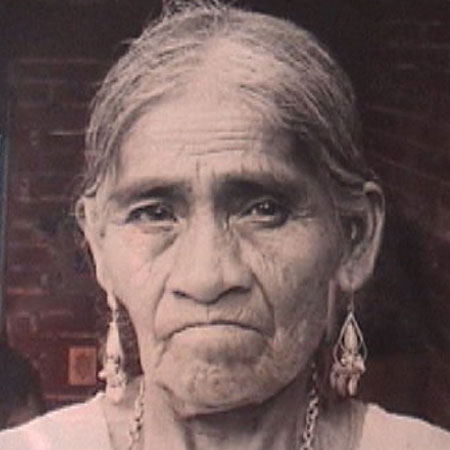

del Pacifico
and 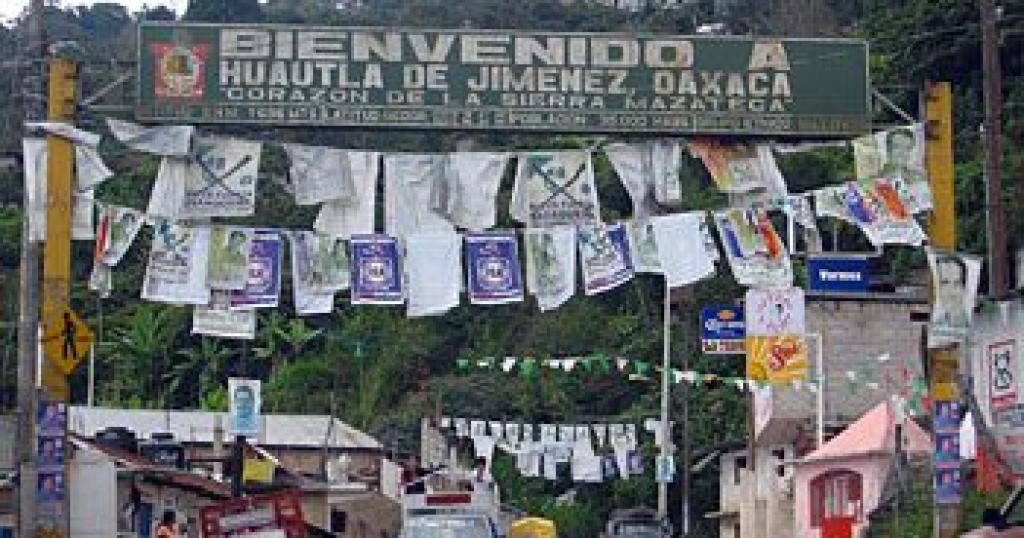
de Jiménez
—two Oaxaca psilocybin mushroom destinations that in the 1960s were visited by Timothy Leary, Ram Dass,
Aldous Huxley, Bob Dylan, John Lennon, Mick Jagger, and Walt Disney.
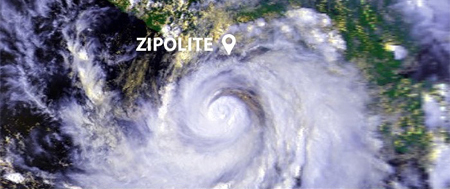
1970 — Zipolite landfall of a rare
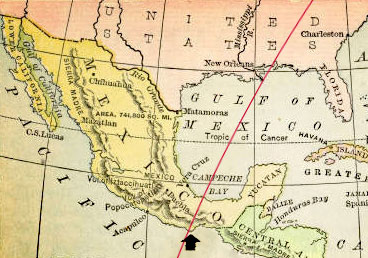
1974 — national and foreign backpackers continued to pilgrim to budding ‘hammock places’ in Zipolite including Felipa, Lourdes, Pancho, and Arco de Noé (Shambhala).
1976 — the coastal road was completed, better-connecting the region to the rest of Mexico. Electricity arrived to Zipolite.
1979 — Zipolite land, which almost a decade before had been corruptly deeded to private interests, was restored to ejido propiedad (communal property) and distributed to approximately three dozen local comuneros (coastal land in Oaxaca then, and now, may not be privately deeded).
1982 — previously a 5km walking path, a new car-navigable dirt road linked Zipolite to Puerto Ángel and the coastal road. A Oaxaca-Pochutla inland highway was completed. The purple snail, an inhabitant of the Mexican Pacific (Zipolite means 'where snails abound'), was almost
'Its color is unmatched and for centuries it has given the purest violet dye. Special inhabitant of the cliffs of Huatulco, in Oaxaca, the purple snail is today a protected species, a status that it achieved thanks to the social protest of the locals, who denounced the exploitation by Japanese textile entrepreneurs.'
exterminated1989 — the
Piña Palmera
Centre for Children With Disabilities was established.
1994 — Completion of Zipolite's first (albeit undeployed for almost a decade more) police station. The road to Puerto Ángel was paved. Mexico enacted sea turtle protections, opening the
Centro Mexicano
de la Tortuga
nearby, and creating an ecological reserve protected from mass-tourist development.
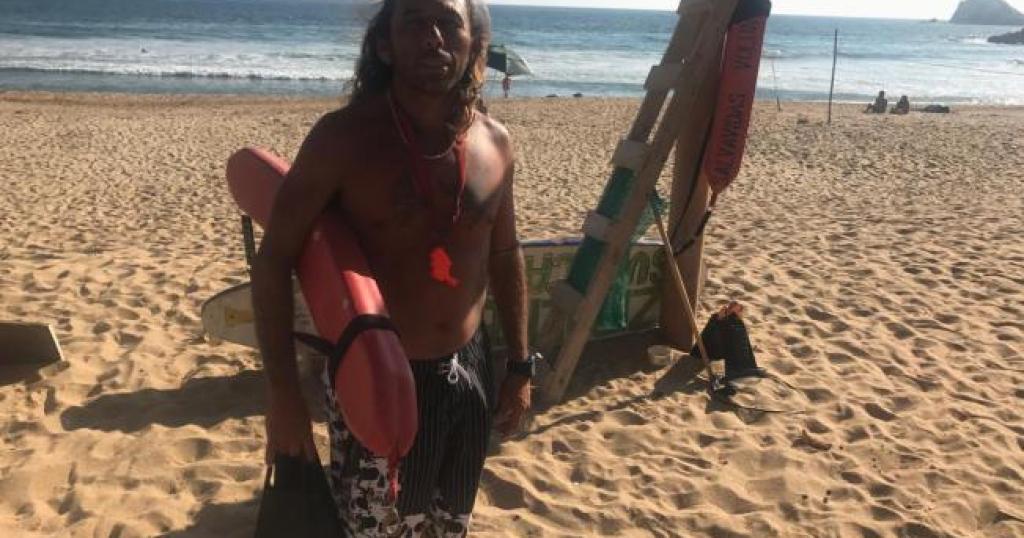
1995 — the
lifeguard team
was founded and trained by Joaquín Venado, and local charity Piña Palmera. In 1996, drownings at this
beach were cut in half. And since 2005, reduced to virtually zero.

1997 — complete destruction of Zipolite by direct-hit hurricane , and a month after, direct-hit hurricane .
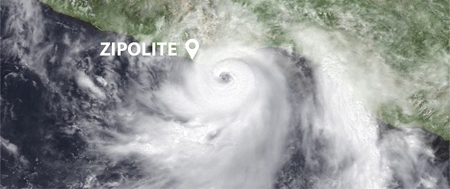
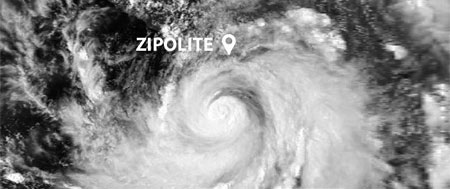
2000 — the legendary (and fictitious) beach 'Boca del Cielo' in Alfonso Cuarón's film Y Tu Mama Tambien is nearby
Bahía de Cacalut
, not (as some popularly believe), Zipolite.
2001 — a fire destroyed much of Zipolite. Recovery prompted radical change to the physical appearance of Zipolite’s built environment, replacing traditional post, bamboo, and palm with less vernacular construction.
2006 — Zipolite population reached 800. Puerto Escondido and Huatulco airports opened.
2010 — Zipolite tops 'gay Mexico' search queries.
2016 — the municipality declared beach nudity (unofficially tolerated since 1970) legal, making Zipolite the country's first and only legal clothing optional beach.
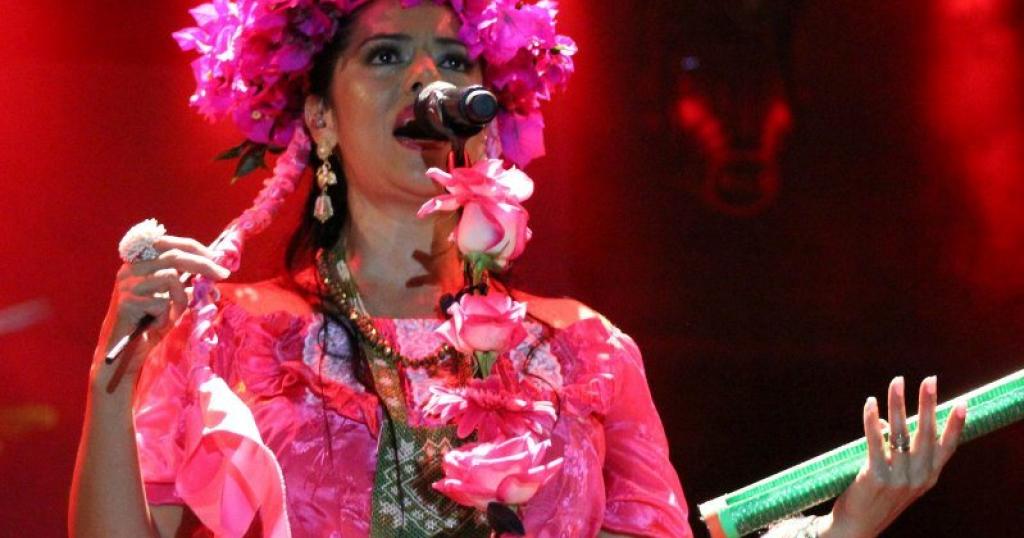
2019 — the 4th annual Festival Naturismo Zipolite headlined Grammy-winner
Lila Downs
and drew more than 5,000. The following Festival Naturismo Zipolite attracted 8,000—larger by
tenfold than any naturist gathering in world history.
2020 — CAMP's inaugural immersion, Creators of Culture Assemblage, marked the 50th anniversary of the
2021 —
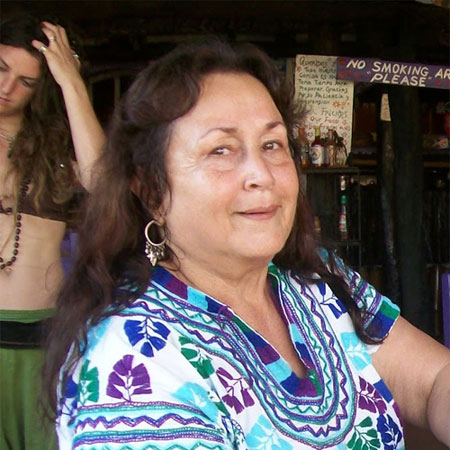
Shambhala
visionary, dies at 81.
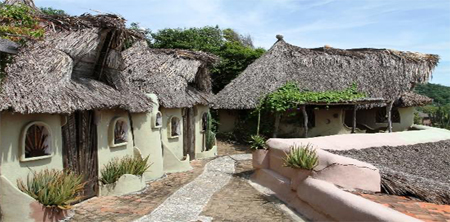
2022 — substantial destruction of Zipolite by direct-hit hurricane . CAMP was unharmed, so hosted a full-house of volunteers who assisted with local recovery. Zipolite was largely restored eight months after the hurricane.
_____________
Sources:



Zipolite historiography derives from oral accounts. If you have an adjustment or addition to contribute, please